

GET SOCIAL WITH US
RECENT ARTICLES


Newsletter
Keep up-to-date with the latest promotions, news and releases!
How to Choose the Correct Tongue Bar Length After Healing
Getting a tongue piercing is only the beginning of the jewellery-fitting process. The longer bar used for a fresh tongue piercing is usually designed to accommodate swelling, but it may not be the best size for long-term wear once the piercing has healed.
Choosing the correct tongue bar length after healing can improve comfort and reduce unnecessary jewellery movement. A bar that is too long may repeatedly contact your teeth and gums, while one that is too short can place unwanted pressure on the tongue.
There is no single tongue bar length that suits everyone. Tongue thickness, piercing placement and individual anatomy all affect the size you need.


Why Is the Initial Tongue Bar Longer?
Swelling is expected after a tongue piercing, so the initial barbell needs additional length to accommodate the temporary increase in tongue thickness.
Once the swelling has subsided, this extra space may no longer be necessary. Continuing to wear an excessively long bar can allow the jewellery to move around more freely, making accidental biting or contact with the teeth more likely.
This is why tongue piercings are commonly assessed for downsizing after the initial swelling has settled.
What Does Downsizing a Tongue Bar Mean?
Downsizing means replacing the longer initial barbell with a shorter bar that fits the tongue more appropriately after swelling has reduced.
The gauge, or thickness, of the jewellery does not necessarily change. Instead, the wearable length of the bar is reduced.
A properly downsized tongue bar should provide enough room for natural movement without leaving a large amount of unnecessary post exposed.
Downsizing should not be rushed. A professional piercer can assess whether the piercing is ready and recommend an appropriate length.
How Is Tongue Bar Length Measured?
Tongue bar length refers to the wearable section of the straight barbell between the two ends. The balls or decorative attachments are not included in this measurement.
If you already own a tongue bar that fits comfortably, measuring the wearable section with digital callipers can provide a useful reference when buying replacement jewellery.
However, if you are unsure whether your current bar fits correctly, it is better to have the piercing professionally assessed rather than using potentially unsuitable jewellery as your sizing reference.


Is There a Standard Tongue Bar Length?
Tongue barbells are available in commonly used sizes, but there is no universal length that fits every tongue.
Tongue thickness varies considerably between individuals, while piercing placement can also affect the required length. Two people with similar-looking tongue piercings may therefore require different jewellery sizes.
Rather than choosing a tongue bar purely because a particular measurement is described as "standard", the fit should be based on your anatomy.
How Should a Healed Tongue Bar Fit?
A correctly fitted tongue bar should sit comfortably without tightly compressing the tongue.
When your tongue is relaxed, there should not be a large amount of excess post constantly visible. At the same time, the jewellery should not appear to be digging deeply into the tissue.

Some movement is unavoidable because the tongue itself is highly mobile. The aim is to minimise unnecessary movement while still allowing the jewellery to sit comfortably.
Signs Your Tongue Bar May Be Too Long
An excessively long tongue bar usually has much more freedom to move around inside the mouth.
You may notice a significant amount of exposed bar, frequent contact with your teeth or difficulty eating without accidentally biting the jewellery.
Longer jewellery may also make it easier to develop habits such as clicking or playing with the bar against your teeth.
If your tongue piercing is healed but the jewellery still feels excessively long, ask your piercer whether downsizing would provide a better fit.
Signs Your Tongue Bar May Be Too Short
A tongue bar should never feel as though it is tightly clamping the tongue.
If the balls press deeply into the tissue, the bar constantly feels tight or the jewellery appears to be embedding, the bar may be too short.
The tongue can also change slightly throughout the day, so jewellery should not be fitted so tightly that there is no allowance for normal variation.
Persistent pressure, pain or embedding should be professionally assessed.
Why Correct Tongue Bar Length Matters for Your Teeth and Gums
Tongue jewellery sits close to the teeth and gums, making correct sizing particularly important.
An excessively long bar has more room to move and may increase the likelihood of accidentally striking or biting the jewellery. Repeated contact with the teeth can contribute to enamel damage, while contact with the gums may cause irritation or recession over time.
Correctly fitted jewellery cannot eliminate every dental risk associated with a tongue piercing, but reducing unnecessary movement can help.
Avoid deliberately clicking, biting or playing with tongue jewellery regardless of its length.
Does Tongue Bar Gauge Matter?
Length is only one part of tongue jewellery sizing. Gauge refers to the thickness of the bar itself.
Changing to a shorter bar does not automatically mean changing the gauge. Your healed piercing has an established channel based on the thickness of the jewellery being worn.
If you do not know your current gauge, measure your existing jewellery accurately or ask a professional piercer before purchasing a replacement.

Does Ball Size Affect Comfort?
The ends attached to a tongue bar can also affect how the jewellery feels.
Larger balls may feel more noticeable and can increase the chance of contact with the teeth. However, ends must also be appropriately sized so they sit securely without creating excessive pressure on the tongue.
When changing tongue bar ends, make sure they are compatible with the bar and its threading.
What Material Is Best for a Healed Tongue Piercing?
Material quality is another important consideration when choosing tongue jewellery.
Implant-grade titanium is a popular option because it is lightweight, corrosion-resistant and suitable for many people with metal sensitivities. Its relatively low weight can also make tongue jewellery feel less noticeable.
Whatever material you choose, body jewellery should have a smooth, high-quality surface without scratches, rough edges or damaged coatings.
Can You Change a Healed Tongue Bar Yourself?
Once a tongue piercing is completely healed, many people can change their own jewellery.
Always wash your hands thoroughly before handling the bar and make sure the replacement jewellery is clean and appropriately sized.
Never force a new bar through resistance. Tongue piercing channels can begin to tighten after jewellery is removed, particularly in newer piercings. If you struggle to insert replacement jewellery, visit a professional piercer rather than forcing it.


Why Do Tongue Bar Ends Keep Coming Loose?
The mouth is constantly moving when talking, eating and swallowing, and threaded jewellery ends can sometimes loosen over time.
Check removable ends regularly with clean hands. They should be secure without being excessively tightened, as over-tightening may damage the threads.
If an end repeatedly comes loose despite being correctly secured, inspect the threading. Damaged or worn tongue jewellery should be replaced.
When Should You Speak to a Piercer or Dentist?
Professional advice is particularly important with oral piercings because both piercing health and dental health need to be considered.
Speak to an experienced piercer if you are unsure about tongue bar length, gauge, jewellery material or whether your piercing is ready for downsizing.
Regular dental check-ups are also important for people who wear oral jewellery. A dentist can identify changes to the teeth or gums that may not initially cause obvious symptoms.
Final Thoughts
Choosing the correct tongue bar length after healing is not simply a matter of buying a size described as standard. The best fit depends on your tongue thickness, piercing placement and individual anatomy.
The initial longer bar is designed to accommodate swelling, while a properly downsized bar reduces unnecessary movement once that additional space is no longer needed.
If you already have well-fitting jewellery, accurately measuring your existing bar can help when buying replacements. If you are unsure about the fit, professional measurement is the safest option.
BESTSELLERS


Black Silicone Ear Tunnel
from
£4.00
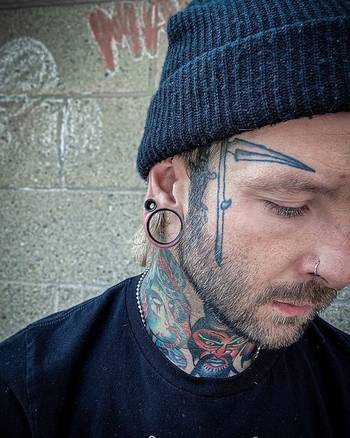

Black Stainless Steel Double Flared Tunnel
from
£7.00


Clear & Black Single Flare Glass Plug / Gauge
from
£5.00
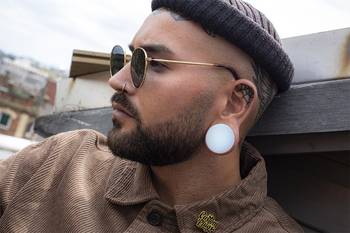

Opalite Glass Plug / Gauge
from
£7.00


Blue & Green Iridescent Glass Ear Tunnel
from
£11.00


Marble Black & Red Stone Plug / Gauge
from
£9.00


Amethyst Stone Tunnel
from
£10.00


Black Metal Dead Stretching Kit
from
£17.99
NEW
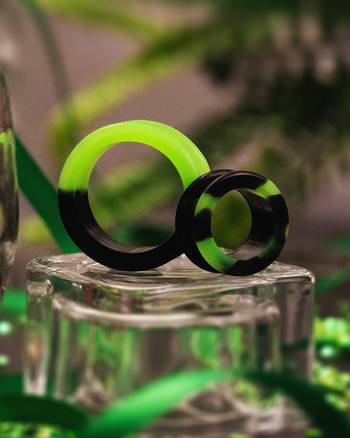

Neon Green & Black Marble Effect Silicone Ear Tunnel
from
£7.00
NEW


Clear & Black Glass Dead Stretching Kit
from
£16.99
NEW


