

GET SOCIAL WITH US
RECENT ARTICLES


Newsletter
Keep up-to-date with the latest promotions, news and releases!
Stretching and Identity Fatigue: When Your Lobes Stop Feeling Like a Statement
For many people, stretching their ears begins as an exciting form of self-expression. Sizes are milestones, jewellery choices feel intentional, and the process itself becomes part of personal identity. Over time, however, that relationship can change. Some long-term stretchers reach a point where their lobes no longer feel exciting, meaningful, or even noticeable. This experience is often referred to as identity fatigue.
Identity fatigue does not mean regret. It does not mean you dislike your stretched ears or wish you had never started. It simply reflects a natural shift in how body modification fits into your sense of self.
 What Identity Fatigue Actually Means
Identity fatigue happens when something that once felt defining becomes neutral. Stretched ears may have once felt bold or rebellious, but after years of wear they can fade into the background of daily life. The jewellery becomes familiar, the size stops feeling impressive, and the emotional charge disappears.
This is a normal part of long-term self-expression. As people grow, their priorities and identities evolve. Body modifications that once carried strong meaning may no longer feel central to who you are, even if you still like them.
Why Stretching Is Particularly Linked to Identity

Stretching often involves visible progress. Sizes increase slowly, achievements are measured, and the journey itself becomes part of a narrative. This makes stretching feel goal orientated and deeply personal.
Once the goals are reached or interest in sizing up fades, the structure that supported that identity can disappear. Without a next size to aim for, some people feel directionless or disconnected from the modification that once motivated them.
This does not happen as often with static piercings, which tend to remain the same once healed. Stretching invites constant engagement, which is why fatigue can feel more pronounced.
Signs You Might Be Experiencing Identity Fatigue
Identity fatigue shows up quietly. You may stop thinking about your lobes altogether. Changing jewellery might feel like effort rather than enjoyment. You might find yourself choosing comfort over statement pieces without consciously deciding to do so.
Some people feel pressure to keep stretching because it is what they are known for, even though the desire has faded. Others begin downsizing or wearing smaller plugs without making a deliberate choice. These are not signs of failure. They are signs of changing priorities.


The Pressure to Keep Going
Within stretching culture, there can be an unspoken expectation that bigger is better or that stopping means giving up. This pressure can make identity fatigue feel uncomfortable or confusing.
In reality, choosing not to size up is not a loss of identity. It is a reflection of self-awareness. Stretching does not need to be endless to be valid. For many people, the most confident decision is knowing when to pause or stop.

Downsizing and Redefining Meaning
For some stretchers, downsizing becomes part of redefining their relationship with their lobes. Smaller sizes can feel lighter, easier, and more aligned with current lifestyle needs. This shift often brings relief rather than disappointment.
Others keep their size but stop framing it as a statement. The lobes remain part of their body rather than a symbol they feel responsible for maintaining. Both paths are equally valid.
Identity fatigue is not about removing meaning. It is about allowing meaning to change.
When Stretching Becomes Background Instead of Foreground
One of the most interesting stages of long-term stretching is the moment when lobes stop being a focal point. They become as ordinary as a watch or a favourite ring. This is often misinterpreted as boredom, but it can also be a sign of integration.
When a body modification no longer demands attention, it has fully become part of you. That quietness does not diminish its value.

Letting Go of External Expectations
A major source of identity fatigue comes from external perception. Friends, online communities, or even past versions of yourself may carry expectations about how you should look.
Releasing those expectations allows stretching to exist on your terms again. Whether that means staying at your current size, downsizing, or simply caring less about how it is perceived, the goal is alignment rather than performance.
Final Thoughts
Stretching and identity fatigue are deeply connected because stretching is not just a physical process. It is emotional, social, and personal. Feeling neutral about your lobes after years of wear does not invalidate your journey. It shows that your identity has expanded beyond a single form of expression.
Body modification is not meant to trap you in one version of yourself. It is meant to move with you. If your relationship with stretching feels quieter now, that does not mean it has lost value. It simply means it has changed.
BESTSELLERS


Black Silicone Ear Tunnel
from
£4.00
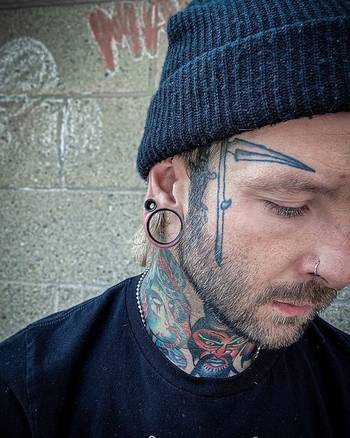

Black Stainless Steel Double Flared Tunnel
from
£7.00


Clear & Black Single Flare Glass Plug / Gauge
from
£5.00
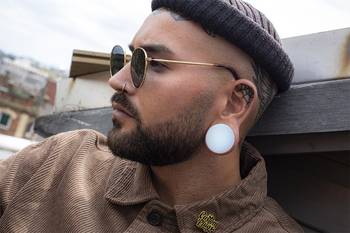

Opalite Glass Plug / Gauge
from
£7.00


Blue & Green Iridescent Glass Ear Tunnel
from
£11.00


Marble Black & Red Stone Plug / Gauge
from
£9.00
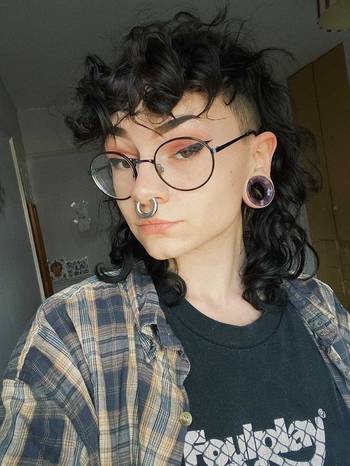

Amethyst Stone Tunnel
from
£10.00


Black Metal Dead Stretching Kit
from
£17.99
NEW
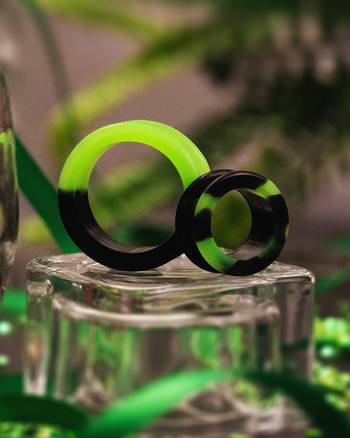

Neon Green & Black Marble Effect Silicone Ear Tunnel
from
£7.00
NEW


Clear & Black Glass Dead Stretching Kit
from
£16.99
NEW


